
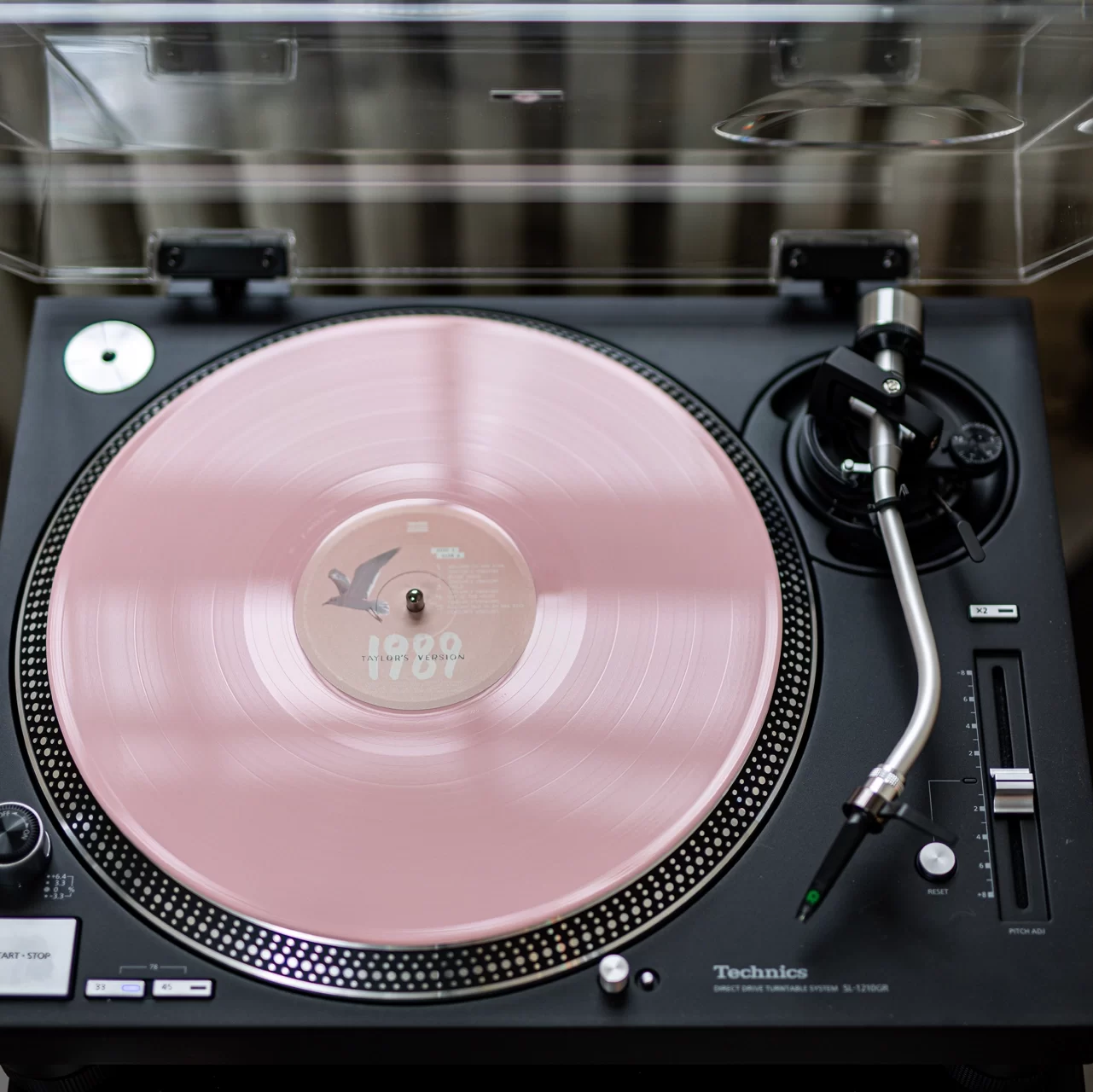

If you’re thinking about getting into vinyl, you’ve probably wondered whether turntable speakers are something you need to buy separately. The short answer is yes – a turntable on its own won’t make any sound. But don’t worry, it’s not as complicated as it might seem, and there are options to suit every budget and living space.
Moss of Bath has helped many customers in our Bath showroom navigate this exact question over the years. Here’s what you need to know.
Why a Turntable Needs Speakers
A turntable is essentially a precision instrument that reads the grooves on a vinyl record. The stylus (needle) picks up tiny vibrations from those grooves, but the signal it produces is far too quiet to hear on its own.
To actually listen to your records, you need two things: amplification to boost that signal, and speakers to turn it into audible sound. How you achieve this depends on which route you choose – and there are several.
What’s the Difference Between Turntables and Record Players?
These terms often get used interchangeably, but there is a distinction worth knowing.
A record player typically refers to an all-in-one unit with built-in speakers. You simply plug it in, put on a record, and away you go. These are convenient and often portable, making them popular as gifts or for casual listening.
A turntable, on the other hand, is just the deck itself – the platter, tonearm, and cartridge. It requires external speakers and usually some additional components to work. This approach offers better sound quality and more flexibility, but does involve a bit more thought when setting up a turntable for the first time.
Your Speaker Options Explained
Does a turntable need speakers? Absolutely. But you have choices in how you connect them.
All-in-One Record Players
If convenience is your priority, an all-in-one unit handles everything internally. Just be aware that built-in speakers are often quite small, which limits sound quality. They’re fine for occasional listening but won’t deliver the full experience that vinyl can offer.
We’d generally suggest these for younger listeners or anyone who wants something simple for a spare room. They’re not ideal if you’re hoping to hear your records at their best.
Active (Powered) Speakers
Active speakers have their own built-in amplifier, so you don’t need a separate amp. This makes them a popular choice for people who want good sound without lots of boxes and cables.
If your turntable has a built-in phono stage (more on this in a moment), you can connect it directly to active speakers with a single cable. Many modern turntables include this feature, which simplifies things considerably.
This setup works well in living rooms, studies, or bedrooms where space might be limited. It’s often where we point customers who want a step up from an all-in-one player without diving into full separates.
Passive Speakers with an Amplifier
For the best sound quality and greatest flexibility, a traditional setup uses passive speakers powered by a separate amplifier. This is the route most hi-fi enthusiasts take.
With this approach, you can mix and match components over time – upgrading your amplifier, speakers, or turntable independently as your budget allows. It does require more space and a higher initial investment, but the results speak for themselves.
What is a Phono Stage and Do You Need One?
Here’s where things can get slightly confusing for newcomers, so we’ll keep it simple.
The signal from a turntable is much weaker than the signal from other audio sources like CD players or streaming devices. A phono stage (sometimes called a phono preamp) boosts this signal to a level your amplifier or powered speakers can use.
You’ll need a phono stage somewhere in your system. The good news is that it might already be built into your turntable – check the specifications or look for a switch marked “phono/line” on the back. If your turntable doesn’t have one, you’ll need either a standalone phono stage, an amplifier with a phono input, or powered speakers that include one.
When we’re helping customers in our showroom, this is often the bit that causes the most head-scratching. It’s straightforward once you understand it, but worth checking before you buy.
What About Wireless and Bluetooth?
Some turntables now include Bluetooth, allowing you to connect wirelessly to Bluetooth speakers or headphones. This can be convenient, particularly if you want your turntable and speakers in different parts of the room.
However, there’s a trade-off. Bluetooth compression does affect sound quality to some degree. For casual listening it’s perfectly acceptable, but if you’re investing in vinyl specifically for the audio quality, a wired connection will serve you better.
Choosing the Right Setup for You
The best system depends on your priorities, your space, and your budget. Here are a few questions worth considering:
How important is sound quality? If you’re coming to vinyl for its warmth and character, it’s worth investing in decent speakers that can do justice to your records.
How much space do you have? Active speakers offer excellent performance in a compact footprint. A full separates system needs more room.
Do you want to expand later? Starting with a turntable and active speakers gives you a solid foundation. You can always add a separate amplifier and passive speakers down the line if you catch the hi-fi bug.
What’s your budget? You can get surprisingly good results without spending a fortune. A decent turntable paired with a quality pair of active speakers will outperform most all-in-one players significantly.
A Note on Headphones
If you live in a flat or prefer private listening, many amplifiers and some active speakers include headphone outputs. This lets you enjoy your vinyl late at night without disturbing anyone – something worth considering when planning your setup.
Getting Started
Setting up a turntable doesn’t need to be daunting. The key points to remember: you will need speakers of some kind, you’ll need amplification (either built into your speakers or as a separate unit), and you’ll need a phono stage somewhere in the chain.
We’d always recommend listening to equipment before you buy if possible. What sounds good to one person might not suit another, and there’s no substitute for hearing the difference yourself.
As an independent retailer with over 60 years of experience, we’re always happy to talk through the options without any pressure. Whether you’re buying your first turntable or upgrading an existing system, getting the right advice from the start saves time and money in the long run.
Moss of Bath Recommend
Entry Level
The Pro-Ject Stereo Set E1 serves as a cost-effective solution for music enthusiasts that prioritises both style and an exceptional listening experience. The Stereo Set E1 is made up of three highly regarded audio components that are thoughtfully paired and offered in two elegant colour finishes to enhance any room.
Mid-Range
The Dual CS 518 Manual turntable is equipped with a twin gimbal tonearm design using pivot ball-bearings for optimal precision. An ideal mid-range turntable for a true vinyl enthusiast.
Higher-End
The Technics SL1200 GR2 Direct Drive Turntable will elevate your audio experience by pushing the boundaries of sound quality to new heights, where innovation meets unparalleled performance. A high fidelity direct drive turntable that blends a classic design with new digital motor control technology for smooth and accurate vinyl playback.
https://www.technics.com/uk/products/grand-class/turntables/sl-1200gr2.html
All available in store at Moss of Bath


