
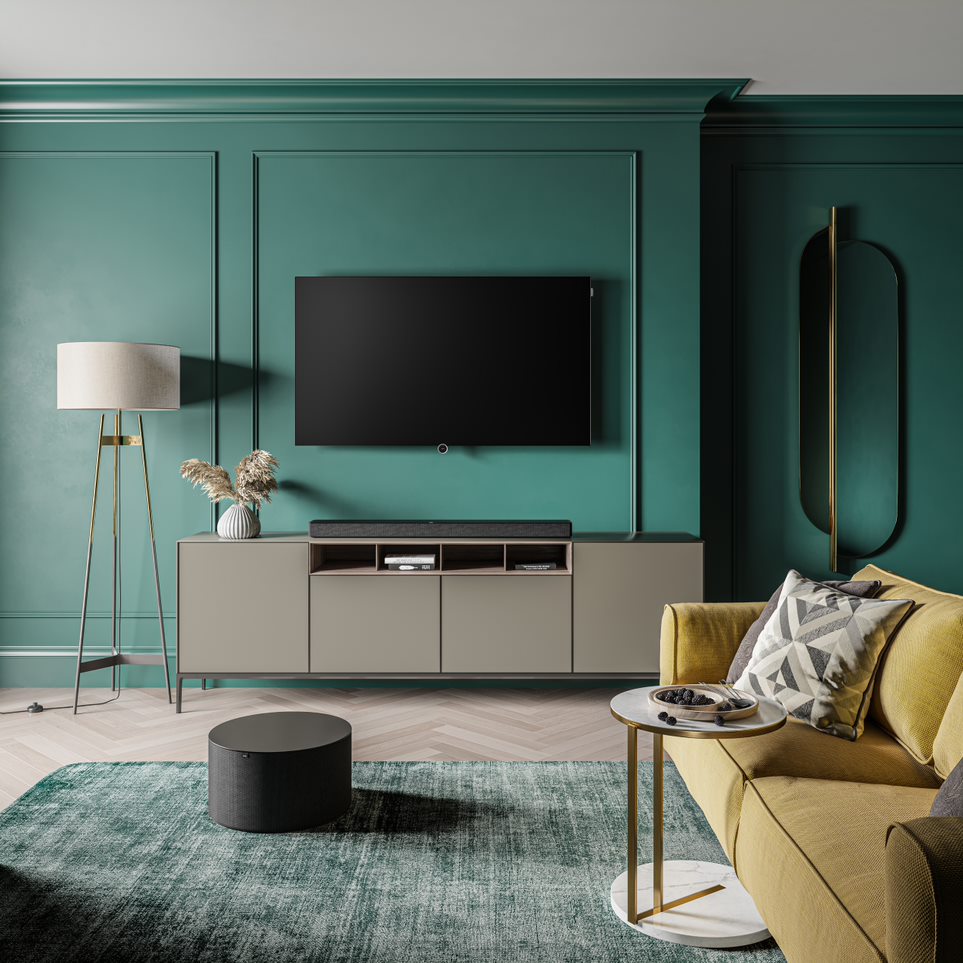

Yes, you can put a TV on a plasterboard wall. It’s a question we’re asked regularly, and we understand why people are cautious. Plasterboard doesn’t feel as solid as brick, so it’s natural to worry about whether it’ll take the weight. The good news is that with the right fixings and a bit of know-how, plasterboard walls can safely support a television.
Understanding Plasterboard Walls
Plasterboard walls are common in UK homes, particularly in newer builds and properties that have been extended or renovated. They consist of gypsum board attached to a framework of timber or metal studs. Unlike solid brick or block walls, plasterboard alone won’t support heavy objects without the proper fixings.
There are two main types you might encounter. Stud walls have a timber or metal frame with plasterboard fixed to the front. Dry-lined walls have plasterboard attached directly to masonry with a small gap behind. Both can support a TV, but each requires a slightly different approach.
Can You Put a TV on a Stud Wall?
A stud wall can definitely support a television. The most secure method is to fix your TV bracket directly into the wooden studs behind the plasterboard. These studs are typically positioned at 400mm or 600mm centres and provide a solid anchor point.
The challenge comes when the studs don’t align with where you want your TV. In this case, you have several options. You can use heavy-duty plasterboard fixings designed for hollow walls, or install a timber backing plate that spans across multiple studs to give you more flexibility with positioning.
Can a TV Be Mounted on a Plasterboard Wall Safely?
Safety depends entirely on how the installation is done. A poorly mounted TV can pull away from the wall, damaging both the TV and the plasterboard, or worse, causing injury. Several factors affect whether your installation will be secure.
Weight of Your TV
Modern televisions are surprisingly light. A 55-inch TV typically weighs between 15kg and 25kg, and many smaller sets weigh under 10kg. However, you also need to account for the weight of the bracket itself. Always check the combined weight against the rating of your fixings.
Type of Bracket
This is where many DIY installations go wrong. A flat-to-wall bracket keeps the TV close to the wall and puts a straightforward downward load on the fixings. A cantilever or full-motion bracket is another matter entirely. When you pull the TV away from the wall and angle it, the leverage creates much greater forces on the fixings. We’d always recommend caution with full-motion brackets on plasterboard walls.
Quality of Fixings
Standard wall plugs aren’t suitable for plasterboard. You’ll need purpose-made fixings such as toggle anchors, spring toggles, or specialist products like GripIt or GeeFix. These fixings expand behind the plasterboard to spread the load across a larger area. Each fixing has a rated capacity, so check the specifications carefully.
Why Professional Installation Makes Sense
While it’s possible to mount a TV on plasterboard yourself, there are good reasons to consider professional installation.
A qualified installer will identify your wall type accurately. It’s not always obvious what’s behind plasterboard, and incorrect assumptions can lead to failed installations. There may be hidden pipes, cables, or structural elements that affect where and how a bracket can be safely fixed.
Professional installers also have access to commercial-grade brackets and fixings that aren’t readily available on the high street. These are designed for long-term reliability, not just to meet a price point.
Cable management is another consideration. A professionally installed TV will have tidy, concealed cables rather than wires trailing down the wall. This often involves channelling cables behind the plasterboard or through conduit, which requires experience to do properly without damaging the wall or creating fire risks.
What About Larger or Heavier TVs?
For larger televisions, particularly those over 55 inches, or heavier older models, the installation becomes more involved. Options include fitting a plywood backing plate to distribute the load, installing additional timber noggins between studs, or creating a recessed installation within bespoke cabinetry.
These solutions go beyond basic DIY and require carpentry skills alongside AV knowledge. The finish needs to look as good as it performs, especially in a living room or bedroom where the TV is a focal point.
Common Mistakes to Avoid
We’ve seen plenty of DIY installations that haven’t gone to plan. The most common issues include using the wrong fixings for the wall type, underestimating the forces that a cantilever bracket creates, and failing to locate studs accurately.
Another frequent problem is cable damage. Drilling into plasterboard without knowing what’s behind it can mean cutting through electrical cables or water pipes. A stud finder with live wire detection is essential, though not foolproof. Professional installers carry out thorough checks before making any holes.
People also sometimes position their TV without thinking about viewing angles, reflections from windows, or the location of power sockets and aerial points. Once the bracket is up and holes are made, moving it means repair work to the wall.
Alternatives to Wall Mounting
If you’re unsure about your plasterboard wall’s suitability, there are alternatives. A TV stand or media unit keeps your television stable without any fixings. Floor-standing mounts are another option, though these take up more space.
For those who want the clean look of a wall-mounted TV without the commitment, some brackets use heavy-duty adhesive rather than screws. These tend to work best with smaller, lighter televisions and may not be suitable for long-term use.
Our Approach to TV Installation
At Moss of Bath, we’ve been installing televisions across the South West for over 60 years. Our teams regularly work with plasterboard walls in all types of properties, from modern apartments to period homes. We assess each installation individually and recommend the most appropriate method for your specific wall construction and TV.
Every installation includes proper cable management and a demonstration of how to use your setup. We stand behind our work, so you can be confident your TV is safely and securely mounted.
If you’re planning to mount a TV on a plasterboard wall and want advice on the best approach for your home, we’re happy to help. Contact our team to discuss your requirements.


