
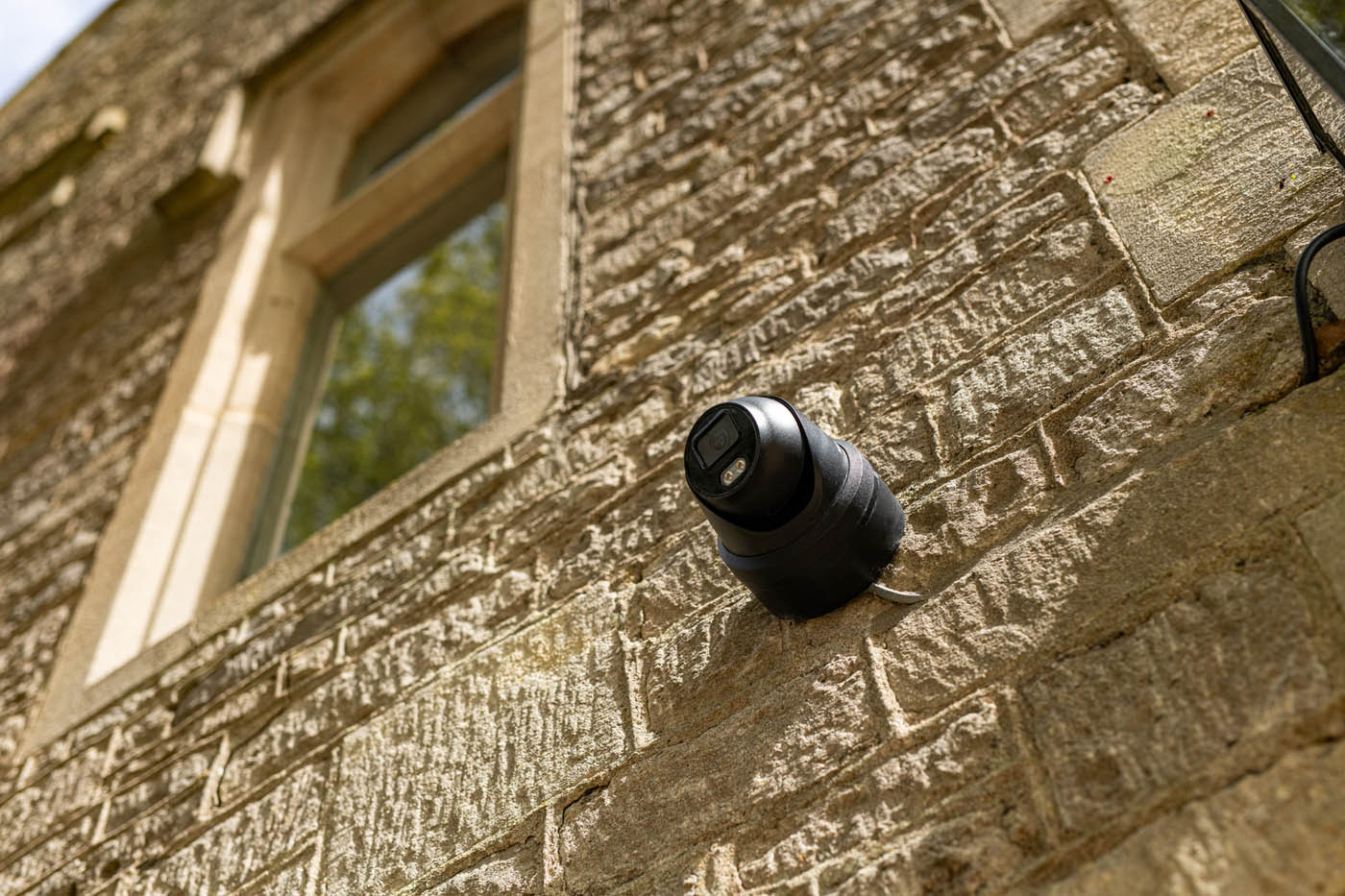

CCTV stands for Closed-Circuit Television. It is a system that transmits video signals to a specific set of monitors rather than broadcasting publicly like standard television. Unlike regular TV broadcasts that anyone with an aerial can receive, CCTV creates a private network where cameras send footage directly to designated screens or recording devices. Moss of Bath has installed many CCTV systems across Bath and the surrounding areas. CCTV is becoming an essential part of modern security for both homes and businesses.
Understanding Closed-Circuit Television
The “closed-circuit” part of CCTV simply means the signal stays within your own system. Rather than broadcasting like normal television, your cameras send their pictures directly to your monitors or recording equipment. It’s completely private—only you and anyone you give access to can view the footage.
Today’s systems typically store recordings digitally on a hard drive, similar to how a computer saves files. You can watch what’s happening live, look back at recordings from previous days, or even check your cameras from your phone when you’re not at home. We find this remote viewing feature particularly reassuring for our clients, whether they’re at work or away on holiday.
What Is CCTV Used For Today?
Whilst security remains the main reason people choose CCTV, Moss of Bath has installed systems for all sorts of purposes. Homeowners want to see who’s at the door before answering, monitor their driveway, or check their property whilst they’re away. Our business clients across Bath use cameras to protect their premises, monitor entrances, and safeguard their stock and equipment.
Some of our more interesting installations have been for wildlife watching. We’ve helped customers set up discrete cameras to observe nesting birds or capture footage of nocturnal visitors like foxes and badgers. It’s lovely to see CCTV being used to connect with nature rather than just for security. We’ve also installed systems for people who simply want to see when parcels are delivered or to keep an eye on their cars parked outside.
When Was CCTV Invented?
The first CCTV system appeared in Germany in 1942, used to monitor V-2 rocket launches from a safe distance. Commercial CCTV followed in 1949 in America, marketed under the name “Vericon” to businesses wanting to keep an eye on their premises.
Here in Britain, CCTV gained momentum during the 1960s and 70s. London Transport installed cameras on platforms, and shops began using them to deter shoplifting. The first permanent street CCTV system in the UK was installed in Bournemouth in 1985. Since then, the technology has transformed completely—from grainy black and white images on videotape to today’s crystal-clear digital footage.
How Modern CCTV Works
Modern CCTV cameras capture images using electronic sensors, much like the camera in a smartphone but designed for continuous operation. These images are converted into digital signals and sent to a recorder or directly to your network. The footage can then be viewed on monitors, computers, tablets, or phones.
Most systems now include motion detection, which means they only record when something moves in view. This saves storage space and makes finding important events much easier—no more watching hours of footage where nothing happens. Night vision has become standard too, using infrared technology to capture clear images even in complete darkness.
The quality available today is remarkable. We regularly install 4K cameras that produce footage as sharp as the latest televisions we sell in our showroom. You can clearly see faces, read number plates, and pick out details that would have been impossible with older systems.
Choosing the Right CCTV System
There are two main types to consider: traditional analogue systems and newer IP (Internet Protocol) systems. Analogue systems send video through cables to a recording device, whilst IP systems connect to your home or business network. Both have their merits, and we can help you decide which suits your situation and budget.
Different camera styles suit different locations. Dome cameras blend nicely into ceilings and work well indoors. Bullet cameras are ideal outdoors—they’re weatherproof and their visible presence can deter unwanted visitors. For larger areas, PTZ cameras that pan, tilt and zoom give you flexibility to look around remotely.
Storage needs vary depending on your system. Most domestic installations keep about a month’s footage before the oldest recordings are automatically deleted to make space. We calculate exactly what you’ll need based on the number of cameras and how long you want to keep recordings.
Installation Considerations
Proper installation makes all the difference to how well your CCTV performs. Camera positioning needs careful thought—covering vulnerable points whilst avoiding areas where privacy might be an issue. We always conduct a thorough site assessment, considering natural light patterns, existing security measures, and what you specifically want to monitor.
If your cameras might capture any public areas or neighbouring properties, you’ll need to be aware of privacy considerations and may need appropriate signage. There are various regulations around CCTV use, particularly for businesses, and it’s worth researching these requirements or consulting appropriate sources for guidance.
In Bath’s historic buildings, installation requires particular care. Many properties here are listed, and running cables without affecting period features needs experience and creativity. Our teams have developed techniques over the years that protect architectural character whilst providing comprehensive security coverage.
Professional Installation Benefits
Whilst off-the-shelf CCTV kits might seem tempting, professional installation ensures your system works reliably when it matters most. Correct cable routing prevents interference and signal loss. Proper mounting keeps cameras secure and correctly aimed. Expert configuration means all the features work as they should from day one.
Setting up remote viewing, motion alerts, and recording schedules can be technically complex. We handle all of this during installation, making sure you can easily access your cameras from anywhere, receive notifications when needed, and find recorded footage quickly. Everything is configured properly so you can start using your system straight away.
Our local presence means we’re always nearby if you need assistance with your initial setup or want to add extra cameras. This local service is something you won’t get from online retailers or national chains. We’re part of the Bath community and have been for over 60 years.
Understanding Your CCTV System
Once installed, CCTV systems are designed to run with minimal intervention. Modern systems are increasingly user-friendly, with intuitive apps and interfaces that make viewing footage and adjusting settings straightforward. Most systems will automatically manage storage, deleting old footage to make room for new recordings.
The cameras themselves are built to last, especially outdoor models designed to withstand British weather. Quality equipment from reputable manufacturers typically provides years of reliable service. Indoor cameras generally need even less attention, protected as they are from the elements.
The key is choosing quality equipment from the start—something we can certainly help with during the selection process.
The Future of CCTV Technology
CCTV continues evolving rapidly. Artificial intelligence now enables cameras to recognise faces, detect unusual behaviour, and even identify specific vehicle types. Smart home integration lets CCTV work with alarms, lighting, and doorbells for comprehensive security that’s simple to manage.
Cloud storage is becoming popular, keeping recordings safe online even if local equipment is damaged or stolen. Thermal imaging, once extremely expensive, is becoming affordable for domestic use, providing security in total darkness without any lighting.
As costs decrease and technology improves, effective CCTV becomes accessible to more people. Whether protecting your home, securing business premises, or simply watching garden wildlife, there’s a solution to suit every requirement and budget.
With over 60 years serving Bath and the South West, we’ve helped customers understand and implement the right CCTV solutions. We’re here to explain the options, design systems that work for your specific needs, and ensure professional installation that stands the test of time. If you’re considering CCTV for any purpose, we’d be happy to discuss how we can help.


